




House Flipping in the LBI Real Estate Market
Opportunities, Challenges, and Why New Construction Often Delivers Better Returns
House flipping—buying an older home, renovating it, and selling for a profit—has become a popular investment strategy across the country. On Long Beach Island, however, the flipping landscape is more unique. Because LBI is a fully developed barrier island with limited land availability, high buyer expectations, and strong demand for new construction, traditional “flip and update” projects don’t always perform the way they do in other markets. That said, flipping can still be a profitable and efficient strategy when approached correctly—especially for investors looking for faster turnaround times than a full new‑construction project.
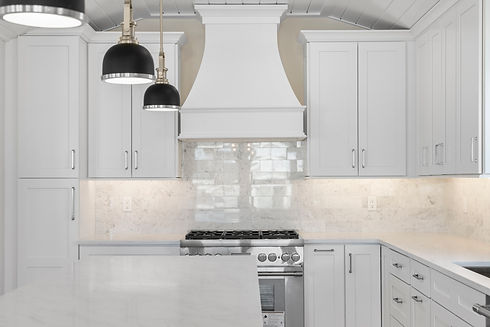
House Flipping vs. Building New on LBI
Flipping on Long Beach Island can produce solid returns when the right property is selected, the renovation plan is executed efficiently, and the final product aligns with buyer expectations. However, LBI buyers tend to favor new construction, and new builds often deliver stronger appreciation, higher resale demand, and better profit margins—especially in top locations like oceanblock, oceanside, and bayfront neighborhoods.
A flip may take only a few months, enabling quicker capital recycling and lower carrying costs. In contrast, new construction takes longer but can produce significantly higher resale values and appeal to a larger pool of buyers. A successful LBI investor must understand the differences and choose the path that aligns best with their budget, timeline, and risk tolerance.
House Flipping in the Long Beach Island NJ Real Estate market
LBI New Jersey Real Estate
Understanding the LBI Market for Flips
Unlike inland markets where cosmetic upgrades can yield quick profits, the LBI buyer pool generally expects homes to be either completely renovated or entirely new. Light cosmetic flips—paint, flooring, simple kitchen updates—rarely command premium resale prices. Most flips that perform well on LBI are:
-
Structural reworks
-
Full interior and exterior renovations
-
Elevations or compliance‑focused updates
-
Layout improvements (adding baths, improving bedroom count, opening living areas)
Buyers want modern, elevated, coastal‑resistant homes—meaning materials, mechanicals, and finishes matter more here than in typical flip markets, but under the right conditions, there is a market for an older, classic LBI home that has been restored, especially in the historic district of Beach Haven.
The Advantages of House Flipping on LBI
Flipping remains a viable strategy when executed with the right plan. One of the biggest advantages is speed. While a new construction project can take 12–18 months from start to finish, a flip can often be completed in 3–6 months, allowing investors to recycle their capital more quickly.
Flipping also carries lower upfront costs than buying land and building new. An existing structure provides immediate value, and certain renovation projects can dramatically increase resale potential—especially if the home’s footprint and elevation are already favorable.
Additionally, flips can serve niche buyer groups: some LBI buyers prefer renovated homes over brand‑new builds because they offer more value while still feeling turnkey and modern.
Challenges Unique to Flipping on LBI
Flipping successfully on Long Beach Island requires a deeper understanding of local factors. Contractors and trades are in high demand, especially during spring and summer. Materials must be chosen for coastal durability, including composite decking, PVC trim, impact windows, and corrosion‑resistant hardware. Insurance rules and flood regulations may require elevation, structural reinforcement, or specific compliance upgrades, significantly influencing costs and timelines.
Labor and material costs in LBI are trending higher than in mainland markets, so profit margins must be calculated carefully. Additionally, the risk of finding hidden issues—especially in older island homes—can affect budgets. Examples include termite damage, outdated wiring or plumbing, undersized HVAC systems, and aging foundations. A successful flip requires thorough inspections and contingency planning.
Why Many Investors Prefer New Construction Instead
Although flipping can work, many LBI investors ultimately find that new construction delivers more predictable, higher‑value outcomes. New builds produce homes that command top‑tier resale prices, attract luxury‑level buyers, and require less ongoing maintenance. Because LBI is land‑scarce and new homes are always in demand, well‑executed new construction typically yields stronger equity positions, often in the 20%–30% range, depending on land cost and build efficiency.
In addition, new homes are easier to market, easier to insure, and easier for buyers to understand—everything is new, elevated, modern, and built to current codes. In many situations, the profit difference between a full new construction and a flip is substantial enough to justify the longer project timeline.
Still, flipping does have advantages. Investors who prefer shorter timelines, lower upfront construction commitments, and quicker return cycles may find flipping to be the better strategy—especially if they find the right property at the right price.
How to Identify a Strong Flip Opportunity on LBI
Strong flip candidates typically share several traits:
-
Good location (oceanside, oceanblock, bayside near attractions)
-
Existing elevated structure or ability to elevate cost‑effectively
-
Strong footprint with potential for layout improvements
-
Solid structural condition with cosmetic or moderate renovation needs
-
Comparable renovated sales that support projected resale value
The most successful flips begin with a clear understanding of resale comps, renovation costs, and the buyer demographic for that particular neighborhood.
What Buyers Expect From a “Renovated” Home on LBI
To command strong resale value, a flip must feel new, bright, coastal, and move‑in ready. Buyers expect:
-
Updated kitchens with modern appliances
-
New or refinished flooring
-
Clean, airy bathrooms
-
Attractive exterior siding and trim
-
Modern lighting and hardware
-
Refreshed decking, railings, and outdoor spaces
-
Correct elevation and flood compliance
-
New or well‑updated mechanical systems
Homes that fall short of this “turnkey” standard tend to linger on the market or sell below investor expectations.
Nathan Colmer
C: 609-290-4293 O: 609-492-1511 Email Me
Choosing Between Flipping and New Construction on LBI
House flipping on LBI can be a smart strategy—especially if you're seeking faster turnaround times and lower upfront commitments—but it requires careful analysis and local experience to get it right. In many cases, building new offers higher long‑term returns, stronger resale performance, and broader buyer appeal. The best investment path depends on your goals, budget, risk tolerance, and timeline.
If you’re considering a flip or evaluating whether new construction might be the better fit, I’m here to help. I can walk you through market comps, renovation feasibility, resale projections, and the practical realities of both strategies on Long Beach Island—based on both local expertise and my own first‑hand investing experience. Let’s explore the best option for your goals.
