



Climate Change and LBI Homeowners Insurance
How Climate Change Is Affecting Homeowners Insurance on Long Beach Island
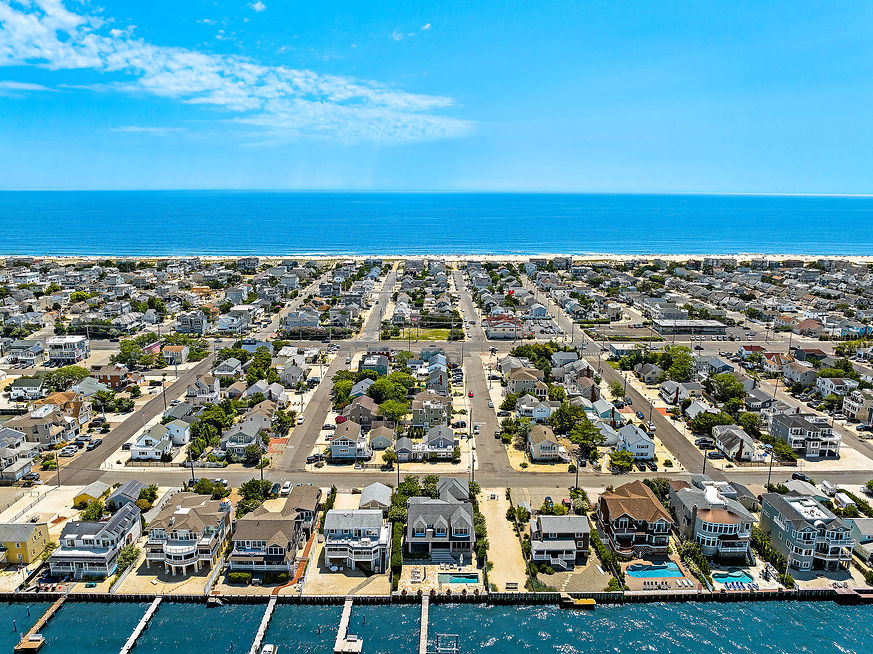
Climate change is reshaping how coastal risk is priced on Long Beach Island. Higher tidal baselines, stronger nor’easters, and costlier rebuilds are prompting insurers to recalibrate premiums, deductibles, and underwriting rules. For LBI homeowners, that means property‑specific factors—elevation, distance to water, roof system, foundation type, and documented mitigation—matter more than ever.
Understanding how carriers translate climate signals into day‑to‑day pricing and coverage helps you anticipate premium trends, target upgrades that actually lower risk, and protect long‑term ownership costs without sacrificing essential coverage.
Climate Change and the LBI Real Estate Market
Understanding Homeowners Insurance and the Long Beach Island NJ Real Estate Market
-
Losses are costlier when they happen: Material and labor inflation, plus code‑driven elevation and structural upgrades, push up replacement costs.
-
Reinsurance ripple: Higher global reinsurance costs for coastal risks flow through to local premiums and deductibles.
-
Sharper underwriting appetite: Some carriers limit exposure near bay/ocean or avoid slab foundations; elevated, newer homes remain most insurable.
-
Granular pricing models: Credits for roof attachment, impact openings, flood vents, elevated utilities, and breakaway walls; debits for known vulnerabilities.
-
Policy design shifts: Expect percentage‑based wind or named‑storm deductibles and stricter roof‑age requirements.
-
Documentation moves the needle: Elevation certificates, wind‑mit reports, and photo logs unlock credits and speed claims.
-
Layered protection: Pair homeowners with the right flood solution—and excess flood where needed—for full financial resilience.
Climate Change and LBI Homeowners Insurance
LBI New Jersey Real Estate
Insurers price risk through two lenses: frequency (how often a claim occurs) and severity (how large it is when it occurs). Climate change touches both, which is why LBI has seen noticeable shifts in homeowners insurance.
Frequency is trending higher as sea level rise nudges high‑tide lines inland and keeps water in low spots longer. Even storms that don’t make headlines can cause more frequent minor intrusions—damp crawlspaces, soaked insulation, damaged mechanicals. Carriers track those small, repeated losses, and higher frequency typically leads to firmer underwriting and higher base rates in the most exposed blocks and building types. Homes elevated above Base Flood Elevation (BFE) with compliant flood openings and utilities on pilings tend to avoid repetitive moisture claims, so they remain more attractive to underwriters.
Severity is also rising. When a coastal loss occurs, today’s repair is typically more expensive. Three drivers dominate:
-
Construction inflation. Persistent labor shortages, specialized trades, and pricier materials increase the cost to rebuild.
-
Code upgrades. If a loss triggers compliance—elevation, lateral bracing, flood‑resistant materials—the scope expands beyond simple repair.
-
System complexity. Modern homes have premium glazing, built‑ins, and smart mechanicals, pushing up replacement cost values.
Insurers factor these realities into dwelling limits. The higher the rebuild value needed to make you whole on LBI, the higher the premium.
Another powerful—if less visible—driver is reinsurance, the insurance that carriers buy to manage catastrophe exposure. After heavy global loss years, reinsurers raise rates for coastal portfolios. Shore markets feel that pressure even if an individual homeowner’s claim history is clean. The effect shows up as higher premiums, tighter terms, or a carrier trimming how many ocean‑ or bay‑block homes it will write.
Underwriting appetite has become more precise. Mainstream carriers often prefer elevated homes on pilings with documented wind mitigation and roofs under a certain age. Some restrict slab‑on‑grade dwellings in the highest exposure pockets or require proof of mitigation to quote competitively. Newer construction that exceeds code—BFE plus several feet, breakaway walls, flood vents, elevated HVAC, impact‑rated openings—usually qualifies for better pricing and broader endorsements because models show lower expected loss.
Expect changes in policy structure too. Percentage‑based hurricane or named‑storm deductibles are common near the coast; separate wind/hail deductibles and roof‑age requirements are increasingly standard. Carriers award credits for secondary water barriers, roof‑deck attachment, opening protection, and documented utility elevation. These mechanics are risk signals that reward resilient design and consistent maintenance.
For LBI owners, data and documentation drive savings. Modern pricing engines use aerial imagery, third‑party property data, and public records. If that data is incomplete, systems assume conservative inputs. Providing an elevation certificate, a wind‑mitigation inspection with photos, and contractor documentation of flood vents, roof attachments, and utility elevations can correct assumptions and apply credits. Keeping a photo inventory of finishes and systems helps underwriters price accurately and speeds claims.
Finally, think in terms of coverage architecture. On LBI, a robust homeowners policy (for wind, fire, liability, and more) paired with flood insurance—NFIP or private—creates layered protection. High‑value properties often add excess flood to reach true rebuild and contents needs. The optimal mix depends on elevation, proximity to water, construction type, and lender requirements.
Climate change made risk more granular, not uniformly worse. Owners who elevate, harden, and document their homes can still access competitive coverage because insurers now recognize and reward resilience with most homeowners insurance policies costing around $2,000-$4,000 annually depending on the home, coverage, etc.
Nathan Colmer
C: 609-290-4293 O: 609-492-1511 Email Me
If you would like a precise read on how climate trends affect your premium, I can help analyze elevation, distance to water, roof and foundation systems, and mitigation features; review your policy for gaps; and model savings tied to specific upgrades such as roof‑deck attachment, opening protection, utility elevation, and compliant flood vents. I can make recommendations to compare carriers and deductible structures built for LBI, so you see real trade‑offs—price, coverage breadth, claim service—before you decide. Whether you’re renewing, shopping for a purchase, or planning renovations, I’ll help you convert coastal risk into a strategic advantage with a documented resilience plan and a smarter policy design.
