




LBI Homeowners Insurance Basics
Long Beach Island Homeowners Insurance Basics: What Every LBI Homeowner Should Know
Homeowners insurance is one of the most important protections you can have as a property owner—especially on Long Beach Island, where coastal weather, wind, and flooding create unique risks. While policies can feel confusing, the core purpose of homeowners' insurance is simple: to help you recover financially after damage to your home or belongings. Homeowners' insurance also protects homeowners who rent out their homes for additional income. If you do rent your home, it is critically important to ensure you have adequate coverage in the LBI real estate market.
Below is a high‑level overview that sets the stage for several key topics every LBI homeowner should understand about homeonwers insurace in the Long Beach Island real estate market.

Long Beach Island Homeowners Insurance Basics: What Every LBI Homeowner Should Know
What Homeowners Insurance Generally Covers
A standard homeowners insurance policy protects you in three main ways:
-
Your Home: Coverage for damage to the structure itself.
-
Your Belongings: Protection for furniture, personal items, and other contents.
-
Your Liability: Financial protection if someone gets injured on your property.
Policies can vary, and coastal homes often need additional coverage options—but these basic protections apply across the board.
LBI Homeowners Insurance Basics
Long Beach Island Real Estate Market Homeowners Insurance Basics: What Every LBI Homeowner Should Know
Because LBI is a barrier island, insurance plays a major role in both real estate decisions and long‑term financial security. Elevated construction, coastal building codes, and storm‑related risks make proper coverage essential. The right policy doesn’t just protect you—it helps preserve the value of your home, supports smooth real estate transactions, and ensures you’re prepared for coastal weather.
Homeowners Insurance Basics on Long Beach Island
Homeowners insurance on Long Beach Island works much like it does anywhere else, but coastal conditions create unique considerations. At its core, a policy is designed to protect your home, your belongings, and your financial well‑being after a covered loss. Because LBI homes face risks like windstorms, hurricanes, and salt‑air exposure, understanding these basics is especially important for local property owners.
Key points:
-
Protects the structure of your home
-
Covers personal belongings
-
Includes liability protection
-
Essential for both primary, secondary, and rental homes
How Coverage Works in a Coastal Market
LBI’s barrier‑island environment means policies may include additional requirements or limitations, particularly around storm‑related damage. Many homeowners learn that their market value and replacement cost are very different—land value is high on LBI, so insurance focuses on the cost to rebuild the structure. Wind deductibles, ordinance‑or‑law coverage, and construction standards can all affect how your policy responds after a claim.
Key points:
-
Replacement cost—not market value—drives coverage
-
Wind and hurricane deductibles are common
-
Local building codes influence coverage needs
-
Higher coastal construction costs impact policy limits
-
Flood insurance is typically NOT part of a homeowner's policy, but rather a separate insurance policy altogether.
Why Insurance Matters When Buying or Owning on LBI
Strong insurance is a critical part of owning or purchasing a home on Long Beach Island. Lenders require proper coverage, buyers compare policies during due diligence, and homeowners rely on the right protections to prepare for storm season. With elevated homes, premium materials, and coastal exposure, having a well‑structured policy ensures both financial protection and peace of mind.
Key points:
-
Required for most real estate transactions
-
Complements flood insurance for coastal risks
-
Helps maintain long‑term property value
-
Provides essential protection from storms and wind events
Whether you’re buying, selling, or simply reviewing your current coverage, understanding the basics of homeowners insurance is a critical part of owning property on LBI.

Replacement Cost vs. Market Value in the LBI Real Estate Market
One of the most misunderstood parts of a policy is the difference between your home’s replacement cost and its market value.
-
Replacement Cost is the amount it would take to rebuild your home today using current labor and material costs.
-
Market Value is what your home could sell for, which includes land value and the real estate market.
After a loss, insurance companies look at replacement cost, not what your home is worth on the market. This matters even more on LBI, where land value is a major part of home prices and construction costs can vary widely.

Ways to Lower Homeowners Insurance Costs on Long Beach Island
Even in a coastal market, there are smart ways to keep your policy affordable.
Many homeowners can reduce premiums through:
-
Risk‑mitigation upgrades
-
Wind‑resistant features
-
Higher deductibles
-
Carrier comparisons
-
Policy bundling
These strategies will be explored in detail in the next section so you can find savings without sacrificing protection.

Long Beach Island Wind Damage Coverage & Deductibles
On LBI, wind is one of the most significant threats to a home—and it’s often handled differently in insurance policies.
Many coastal policies apply separate wind or hurricane deductibles, typically based on a percentage of the dwelling limit rather than a flat dollar amount. Understanding how these deductibles work is important, because they directly impact what you’d pay out of pocket after a storm.
This section will break down wind coverage, hurricane triggers, and deductible options to help you choose what fits your comfort level.
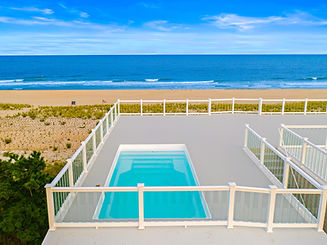
Understanding Deductibles in Homeowners Insurance on Long Beach Island
Deductibles are a key part of every homeowners insurance policy and determine how much you pay out of pocket before your coverage begins. They play a major role in both your premium and your financial responsibility after a loss.
Homeowners policies typically include:
-
Standard Deductibles: A fixed dollar amount you pay for most claims, such as a kitchen fire or pipe leak.
-
Wind or Hurricane Deductibles: Common on coastal policies, these are often a percentage of your dwelling coverage and apply to damage caused by strong winds or named storms.
-
Specialty Deductibles: Some policies include separate deductibles for specific risks like hail, water backup, or roof damage.
The type and amount of your deductible can significantly impact both your premium and your post‑storm costs. Choosing the right balance ensures you have protection that fits your budget and comfort level—especially important for coastal homes on LBI.
Nathan Colmer
C: 609-290-4293 O: 609-492-1511 Email Me
Whether you’re considering purchasing vacant land, evaluating a tear‑down, or preparing to sell a buildable lot on Long Beach Island, I’m here to guide you through every step of the process. Navigating zoning rules, setbacks, subdivision requirements, and construction options can feel overwhelming—but with the right expertise, it becomes a clear and strategic path. I help buyers identify the best opportunities for new construction and long‑term value, while ensuring sellers position their properties to attract serious, qualified interest. If you’re exploring land or redevelopment opportunities on LBI, I’d be happy to put my local market knowledge and experience to work for you.
