




Dividing Equity When Selling a Long Beach Island Home During Divorce
Towns and Communities on Long Beach Island New Jersey
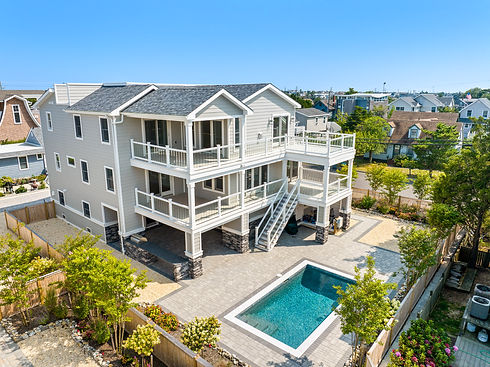
Dividing equity during a divorce can become complicated quickly, especially in the Long Beach Island real estate market, where property values are often high, and many homes function as vacation properties, rental investments, or waterfront assets. For many couples, the home is among the largest shared financial assets in a divorce, making accurate calculations and clear expectations extremely important. On LBI, determining how much equity each party is entitled to involves far more than simply subtracting the mortgage from the sale price. Mortgage balances, liens, closing costs, rental income history, capital improvements, and seasonal market timing can all impact the final net proceeds. In many Long Beach Island divorce sales, disagreements arise because one spouse may believe they contributed more financially, managed renovations, or maintained the property more actively over the years. Understanding how equity is actually calculated helps reduce confusion and keeps negotiations grounded in real financial numbers. With the right strategy and local market guidance, the process can proceed more smoothly while protecting the property's value.
Dividing Equity When Selling a Long Beach Island Home During Divorce
What You’ll Learn on This Page About Dividing Equity in the Long Beach Island Real Estate Market
This guide explains how equity is typically divided when selling a home during a divorce on Long Beach Island, as well as the financial factors that affect the final proceeds.
Key topics covered about the LBI real estate market and the division of equity include:
-
Mortgage payoff calculations
-
Liens and debts attached to the property
-
Closing costs in the LBI real estate market
-
Evaluating capital improvements and contributions
-
How net proceeds are ultimately divided
-
LBI-specific vacation home and waterfront considerations
Understanding the financial breakdown upfront can help avoid disputes and create a clearer roadmap during the sale process.
Dividing Equity When Selling a Long Beach Island Home During Divorce
LBI New Jersey Real Estate
Understanding Equity in the LBI Real Estate Market
Equity is the amount remaining after all debts and selling expenses are paid from the final sale price of the home. On Long Beach Island, equity calculations can become more complex because property values are often heavily influenced by location, rental potential, waterfront access, and land value.
For example:
-
A bayfront home in Harvey Cedars may have significantly higher equity than expected because of land appreciation
-
A rental property in Beach Haven may include seasonal income considerations
-
A teardown lot in Surf City may derive most of its value from redevelopment potential rather than the structure itself
Because LBI real estate is highly localized, understanding true market value is the first step in accurately calculating equity.
Mortgage Payoff in the LBI Real Estate Market
One of the largest deductions from the sale proceeds is usually the mortgage payoff balance.
This typically includes:
-
Remaining principal balance
-
Interest owed through closing
-
Potential prepayment penalties
-
Home equity loans or lines of credit
For many Long Beach Island homes, especially second homes or investment properties, financing structures may be more complicated than traditional residential properties.
In some cases:
-
One spouse may have continued making payments during the separation
-
Mortgage payments may have been offset by rental income
-
There may be multiple loans secured against the property
Clarifying these details early is important for calculating accurate net proceeds.
Liens and Other Financial Obligations
Before proceeds can be distributed, any liens or claims attached to the property must typically be resolved at closing.
Common liens may include:
-
Tax liens
-
Contractor liens
-
Home equity balances
-
Judgments attached to the property
On Long Beach Island, unfinished construction work, elevated home projects, or storm-related improvements can sometimes lead to contractor or permit-related issues that affect closing. A title review early in the process helps identify any problems before the property goes under contract.
Closing Costs in the LBI Real Estate Market
Many sellers underestimate how much closing costs affect net proceeds. In divorce situations, understanding these numbers upfront helps both parties set realistic expectations.
Common Long Beach Island seller closing costs include:
-
Real estate commission
-
Realty transfer fees
-
Attorney fees
-
Title-related charges
-
Water, sewer, and tax adjustments
-
HOA or association fees if applicable
Luxury waterfront homes and high-end LBI properties may also involve:
-
Larger staging expenses
-
Expanded marketing costs
-
Dock or bulkhead certifications
-
Additional inspection requirements
Because LBI sale prices are often substantial, even small percentage-based costs can significantly affect final proceeds.
Capital Improvements and Contribution Disputes
Capital improvements often become a major point of discussion during divorce sales on Long Beach Island.
Common improvements include:
-
Home elevations after Sandy
-
Renovations or additions
-
New pools, decks, or docks
-
Major kitchen or bathroom remodels
-
Bulkhead or flood mitigation work
Disagreements sometimes arise when:
-
One spouse contributed separate funds toward improvements
-
One party managed or supervised renovations
-
The increase in value from improvements is disputed
In the LBI real estate market, certain improvements — especially elevation, outdoor living upgrades, and waterfront enhancements — can significantly impact value and buyer demand.
Calculating Net Proceeds When Selling in the Long Beach Island Real Estate Market
Net proceeds are the final amount remaining after all financial obligations and sale expenses are paid.
Typical deductions include:
-
Mortgage payoff
-
Liens and debts
-
Closing costs
-
Agreed-upon reimbursements or credits
After deductions, the remaining proceeds are divided according to the divorce agreement, settlement terms, or court order.
On Long Beach Island, the final numbers can change significantly depending on:
-
Seasonal market timing
-
Waterfront premiums
-
Rental income included in negotiations
-
Whether the property sells fully furnished
Because many LBI homes include personal property, rental inventory, and outdoor furnishings, these items may also need to be addressed separately during negotiations.
Rental Income and Vacation Home Considerations on Long Beach Island
Many Long Beach Island divorce sales involve second homes or income-producing properties rather than primary residences.
Important rental-related considerations include:
-
Existing summer rental contracts
-
Future booking deposits
-
Allocation of seasonal income
-
Furnished rental inventory
For example:
-
A home in Beach Haven with strong weekly summer rentals may generate substantial projected income
-
One spouse may argue the future rental value increases equity calculations
These issues often require coordination between attorneys, accountants, and real estate professionals.
Why Timing Matters on Long Beach Island
Timing the sale properly can directly impact the amount of equity available to divide.
Peak LBI selling periods often include:
-
Early spring through summer
-
Times of low inventory
-
Before peak beach season occupancy
Selling during stronger market periods can:
-
Increase buyer competition
-
Improve the sale price
-
Maximize net proceeds available for division
Delays caused by disputes or indecision may reduce leverage and overall financial outcome.
Frequently Asked Questions About Dividing Equity During Divorce on LBI
How is equity calculated when selling a home during divorce?
Equity is generally the sale price minus mortgages, liens, closing costs, and other agreed-upon expenses.
Do both spouses split proceeds equally?
Not always. Division depends on the divorce agreement, contributions, and equitable distribution under New Jersey law.
Do renovations increase the amount of equity?
Often yes, especially on Long Beach Island where certain improvements like elevation, outdoor living space, and waterfront upgrades can significantly affect value.
Does rental income impact equity calculations?
It can. Existing income, booking schedules, and investment potential may all factor into negotiations.
What happens if one spouse paid more toward the home?
This may become part of negotiations or legal review depending on the circumstances and documentation available.
Are waterfront homes harder to divide financially?
Often yes, because waterfront values can fluctuate more and involve additional considerations like docks, bulkheads, flood insurance, and luxury buyer demand.
Should we sell furnished or unfurnished?
Many LBI buyers prefer turnkey vacation homes, but furnishings and personal property should be clearly addressed during negotiations.

Tax Implications of Selling a Home During Divorce on Long Beach Island, NJ
Selling Long Beach Island real estate during divorce can have significant tax implications, especially when dealing with high-value vacation homes, waterfront properties, or long-held investment real estate. Properly timing the sale and understanding how filing status, capital gains rules, and settlement agreements affect the transaction can help both parties avoid costly surprises.
Topics Covered:
-
Understanding the $250k / $500k capital gains exclusions
-
Timing the sale around the divorce filing status
-
Capital gains considerations for LBI vacation and waterfront homes
-
How divorce settlement agreements affect taxes and proceeds
-
Tax considerations for second homes and rental properties on Long Beach Island
Because many LBI properties have appreciated substantially over time, tax planning can have a major impact on net proceeds. A clear strategy coordinated with legal and tax professionals can help protect both parties financially while keeping the transaction aligned with the realities of the Long Beach Island real estate market.

Closing Costs When Selling a Home During Divorce on Long Beach Island, NJ
Closing costs are an important part of every real estate transaction, but divorce-related sales on Long Beach Island often involve additional layers of complexity and expense. Understanding who is responsible for various costs and how those expenses affect net proceeds helps avoid disputes and creates more realistic financial expectations for both parties.
Topics Covered:
-
Who typically pays closing costs during divorce sales
-
Standard seller expenses in the LBI real estate market
-
Additional divorce-related transaction costs
-
Separate attorneys and legal coordination
-
How closing costs impact the final equity division
On Long Beach Island, where homes are often high-value waterfront or vacation properties, closing costs can be substantial and should be carefully planned for. Establishing a clear understanding of expenses early in the process helps reduce conflict and keeps the sale moving smoothly from contract to closing.
Nathan Colmer
C: 609-290-4293 O: 609-492-1511 Email Me
Dividing Equity in the LBI Real Estate Market
Dividing equity during a divorce sale on Long Beach Island involves much more than simply splitting the proceeds down the middle. From mortgage payoff calculations and liens to rental income, capital improvements, and waterfront valuation, there are many moving parts that can affect the final outcome. I have worked with clients throughout the LBI real estate market, navigating these exact challenges, helping create clear financial expectations while positioning properties strategically to maximize value. Whether your property is a vacation home, investment rental, bayfront property, or luxury waterfront estate, I can help guide you through the process and develop a strategy focused on protecting both timing and financial outcome.
