




Long Beach Island New Construction Investment
Towns and Communities on Long Beach Island New Jersey
Building a new home on Long Beach Island (LBI) as an investment—especially as a spec home (built to be marketed and sold for a profit)—can be a compelling way to capitalize on the island’s lifestyle appeal and year‑round demand for turnkey coastal properties. Success comes from treating the project like a business: buy the right lot, design for resale, manage risk, and execute a clean sale strategy.

LBI Real Estate New Construction
LBI’s coastal market rewards thoughtful new construction. Buyers here prioritize livable layouts, low‑maintenance materials, flood‑smart design, and indoor/outdoor moments that make the most of the shore—think roof decks, pools, outdoor kitchens, and storage for boards and bikes. A well‑planned spec investment aligns those preferences with disciplined budgeting and a clear exit plan. When numbers pencil—purchase price of the lot, hard costs, soft costs, carry, and a realistic resale—returns can be attractive.
The flip side is risk: coastal construction logistics, permitting, material lead times, and weather can stretch timelines and erode margins. That’s why the winning approach is data‑first. Confirm your after‑repair value (ARV) with airtight comps, underwrite conservative costs with contingency, and build a team (agent, architect, builder, engineer, lender, attorney) that has LBI‑specific experience. Do this, and you’re positioned to deliver a product the LBI real estate market actively wants.

Building a Home to Sell as an LBI Investment
Building a home to sell on Long Beach Island can be a highly rewarding investment strategy, offering the opportunity to capitalize on strong demand for new construction. By designing a property that aligns with current buyer preferences, investors can maximize resale value and generate strong returns in a competitive coastal market.
-
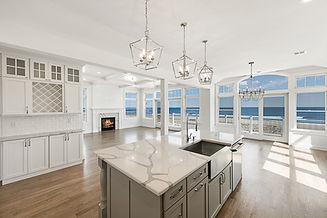
Build for Today’s Buyers – Open floor plans, luxury finishes, and indoor-outdoor living spaces are highly attractive and can command premium sale prices.
-
Control Costs & Timeline – Careful budgeting, contractor selection, and project management are critical to protecting your profit margins.
-
Location Matters – Oceanfront, oceanblock, and well-situated bayside lots can significantly increase buyer demand and resale value.
-
Market Timing Strategy – Selling during peak demand periods, especially spring and early summer, can lead to faster sales and higher offers.
-
Approaching spec building with a clear investment strategy can deliver strong short-term profits and long-term success. Learn how to plan, build, and sell effectively to make the most of your LBI development opportunity.
House Flipping on Long Beach Island
House flipping on Long Beach Island can be a profitable short-term investment strategy when executed with the right market knowledge and planning. By purchasing undervalued properties, making strategic improvements, and reselling at a higher price, investors can capitalize on LBI’s strong demand and limited inventory.
-
Buy the Right Property – Identifying homes with renovation potential in desirable locations is key to maximizing your return.
-
Focus on High-Impact Upgrades – Kitchens, bathrooms, curb appeal, and outdoor living spaces typically deliver the greatest resale value.
-
Manage Costs & Timeline – Staying on budget and completing renovations efficiently helps protect profit margins and reduce carrying costs.
-
Understand Market Demand – Designing with LBI buyers in mind—coastal style, open layouts, and amenities—can lead to quicker sales and higher offers.
With the right approach, house flipping can deliver strong returns in a short timeframe. Explore how to identify opportunities and execute successful flips to make the most of the LBI real estate market.

New Construction as a Rental Investment on LBI
Investing in new construction on Long Beach Island as a rental property offers a unique opportunity to maximize income with a modern, high-demand home and sell down the road. By building with renters in mind, investors can create a property that stands out in a competitive vacation market, generate rental income, and then perform a 1031 tax exchange to move the profits into another investment.
-
Designed for Maximum Rental Income – New builds can be tailored with optimal bedroom counts, open layouts, and en-suite bathrooms to attract larger groups and higher weekly rates.
-
High-End Amenities – Features like pools, rooftop decks, elevators, and outdoor entertainment areas significantly boost rental appeal and pricing potential.
-
Lower Maintenance Costs – Brand-new systems, materials, and construction reduce repairs and upkeep, improving long-term profitability.
-
Strong Market Demand – Renters consistently favor newer homes with updated finishes, helping drive higher occupancy and repeat bookings.
Building new construction with a rental-focused strategy can give you a major advantage in the LBI market.
Building a Spec Investment on Long Beach Island
LBI New Jersey Real Estate
The Complete Guide: From Spec Strategy to Sold Sign
1) What is a Spec Investment on LBI?
A spec home is built without a pre‑committed buyer, with the intent to sell at completion (or near completion). Your profit comes from the spread between resale value and total project cost. On LBI, the strongest spec outcomes usually share four traits:
-
A desirable location profile (walkable to beach or bay, pleasant street context, convenient to towns and marinas).
-
A floor plan that fits LBI living (multiple en‑suite bedrooms, flexible bunk/guest space, open main level, elevator or future shaft, and generous storage).
-
Durable, low‑maintenance selections (coastal‑appropriate exterior materials, impact/DP‑rated windows, smart mechanicals).
-
Outdoor living that feels like an extra “room” (covered porches, roof deck, pool/spa, outdoor shower, grilling station).
2) The Investment Math
Before you write an offer on a lot, model the deal:
Costs
Land Cost (purchase price and closing costs)
Architect Fees and Permits
Build Cost (including demo, construction, and landscaping)
Carry Cost (property taxes, insurance, and utilities)
Selling Expenses (brokerage fee, NJ transfer tax, NJ mansion tax, attorney fee, etc)
Contingency (I suggest 5% for unexpected expenses)
Sales Price
Return on Investment
Tip: Underwrite with a floor price (what you’d accept to exit) and a target price (what you’re aiming for with full marketing).
3) Acquiring the Right Lot
Checklist for offer and due diligence
-
Comps & ARV: Use tight, like‑kind sales (proximity, lot size, view corridor, age/newness, amenity set).
-
Zoning & setbacks: Confirm allowable height, coverage, and building envelope; verify any overlays or neighborhood rules.
-
Survey & elevation: Order a boundary + topographic survey; note finished‑floor strategy, utilities, and drainage.
-
Access & logistics: Room for cranes, deliveries, and staging on a barrier island street; confirm seasonal restrictions if any.
-
Soils & foundation: Coastal sites may require pilings or specific foundation solutions—price accordingly.
-
Variance potential: If you’re counting on a variance (height, coverage, pool, decks), confirm feasibility before closing.
-
Contingencies: Make your offer contingent on inspections, survey review, and permitting feasibility.
4) Design for Resale (what LBI buyers actually use)
Program & flow
-
Open main level with a true chef’s kitchen, walk‑in pantry, and an island that seats a crowd.
-
4–6 sleep spaces with at least two en‑suite bedrooms; a flexible bunk room or den that doubles as an office.
-
Laundry near bedrooms plus a utility/LG storage room for beach gear.
-
Optional elevator or at least a framed shaft for future installation.
Outdoor & water‑wise
-
Covered porch + roof deck for sunrise/sunset; durable decking; outdoor shower with dressing area.
-
Pool or plunge‑spa where zoning allows; low‑glare lighting; simple, salt‑tolerant landscaping.
-
Materials: fiber‑cement or similar, composite rails, stainless hardware, and smart ventilation details for coastal longevity.
-
Specs that sell
-
Impact/DP‑rated windows and doors, efficient HVAC with zoned control, ERV where suitable.
-
Pre‑wire for Wi‑Fi mesh, cameras, speakers, EV charging.
-
Thoughtful storage: owner’s lockout if used as rental before sale, bike/kayak area, and attic or under‑house storage.
5) Approvals & Permitting (plan for it early)
-
Pull a full permit path with your architect and builder before closing on land: surveys, architectural/structural sets, engineering (drainage/grading), and any coastal/environmental clearances required by jurisdiction.
-
Expect review cycles. Build a calendar with buffer for resubmittals, inspections, and utility coordination.
6) Build Execution & Cost Control
-
Contract type: Fixed‑price with clear allowances vs. cost‑plus with a transparent budget—pick what matches your risk tolerance and builder relationship.
-
Draw schedule: Tie payment draws to tangible milestones (foundation set, framing, MEP roughs, insulation/drywall, trim/paint, exterior complete, pool/landscape, substantial completion).
-
Change orders: Require written approvals with cost and schedule impact before work proceeds.
-
Lead times: Order windows/doors, mechanical equipment, and cabinetry early to keep framing→rough→finish seamless.
-
Quality control: Schedule third‑party inspections (framing, waterproofing/detailing, HVAC balancing) and photograph assemblies before they’re closed up.
7) Marketing & Sales Strategy (pre‑listing to contract)
-
Brand the project: Working name, mood boards, finish boards, and a simple one‑pager.
-
Pre‑market quietly: As drywall goes up, capture professional progress photography and short video tours.
-
Launch timing: You can list at “X% complete” with renderings + selections board; many LBI buyers are comfortable buying near completion if they trust the team and specs.
-
Pricing: Use a tight comp set and position within the top tier of your category (oceanblock with pool; bayside with view; lagoonfront with dock, etc.).
-
Contract package: Include specs, appliance list, warranties, and allowances in the MLS docs so buyers feel certainty.
-
Finish strong: Punch‑list thoroughly, clean repeatedly, stage key spaces, and capture final media (twilight exteriors, drone if appropriate).
8) Risk Management & Insurance
-
Policies to consider: Builder’s risk, general liability, flood and wind (as applicable), and course‑of‑construction coverage.
-
Contingency: Reserve 10–15% for unknowns; keep a separate weather/seasonal buffer on timeline.
-
Carrying costs: Track interest, taxes, utilities, and insurance monthly so you always know your breakeven date.
9) Financing Options (outline)
-
Cash: Maximum control and speed.
-
Land + construction loan: Typically interest‑only during build, with draws based on inspections; some products convert to permanent financing at CO if you decide to hold.
-
Equity/partner capital: Useful for scaling but be explicit about profit splits, decision rights, and exit timing.
10) Exit Paths
-
Sell at completion for maximum buyer pool and polished presentation.
-
Pre‑sale near substantial completion to reduce carry—ensure you can still finish at agreed specs without delays.
-
Hold as seasonal or annual rental if market conditions shift; design selections should support this optionality.
Renovation & Flipping on LBI
Renovation can be a faster, lower‑cost path than new construction if the structure is sound and the location is excellent. Pros: shorter timeline, lower permits in many cases, and the ability to preserve character. Cons: hidden conditions (framing, utilities, moisture), limited layout changes due to structure, and compliance upgrades that can balloon scope. The flip that works on LBI usually follows a “right house, right street, right scope” rule: choose a property with a solid shell, focus on high‑impact improvements (kitchen, baths, flooring, lighting, paint, exterior refresh, modest outdoor upgrades), and avoid extensive structural moves that turn a flip into a near‑rebuild. Underwrite with the same discipline—ARV minus all‑in cost and carry—then add a healthy contingency for surprises.
Nathan Colmer
C: 609-290-4293 O: 609-492-1511 Email Me
Ready to Build Your Investment on LBI? Let’s Talk.
If you’re considering building a new home on Long Beach Island—whether as a spec investment, long‑term play, or renovation flip—the right strategy can make all the difference. From finding the best lot to designing a home buyers will compete for, I’m here to guide you through every step of the process with local expertise and real, data‑backed insight.
Reach out today to start planning your LBI new‑construction investment and turn your vision into a profitable coastal property. Let’s build something exceptional.
