



LBI Real Estate Home Inspection Repairs, Credits, or a Price Reduction
Repairs, Credits, or a Price Reduction? How Smart LBI Home Buyers Handle Inspection Negotiations
Learn when to request repairs, seller credits, or a price reduction after a home inspection. Smart strategies for Long Beach Island home buyers.
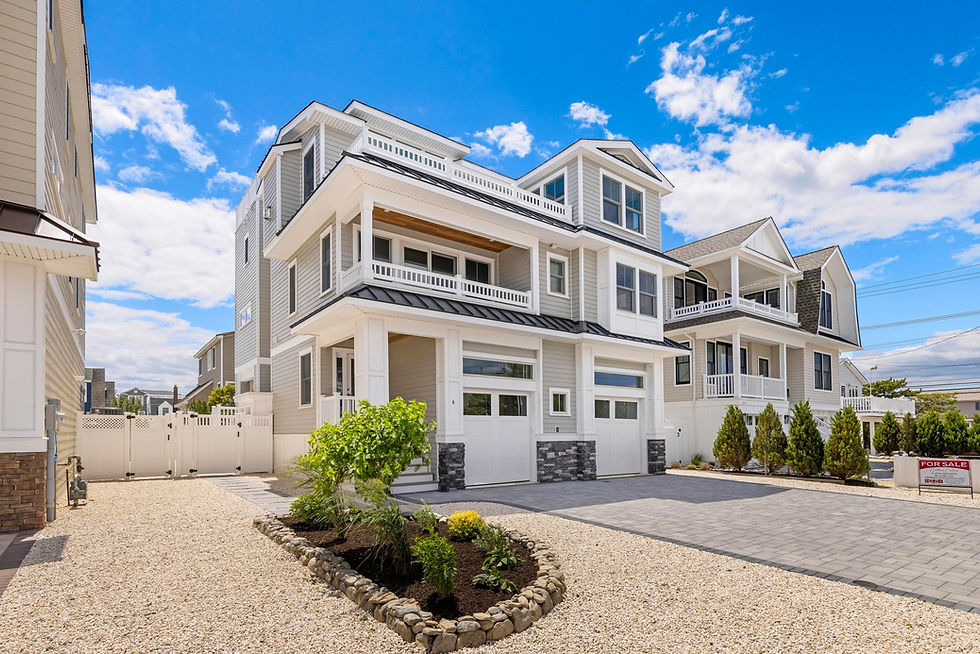
Buying a Home in the Long Beach Island Real Estate Market and LBI Real Estate Home Inspection Repairs, Credits, or a Price Reduction
One of the most common questions buyers in the Long Beach Island real estate market ask is:
"Should I ask the seller to make repairs, give me a credit, or reduce the purchase price after my LBI real estate home inspection?"
The answer depends on the defect, the timing, and the buyer's goals. While every transaction is different, there are some clear guidelines that can help buyers make the best decision.
By: Nathan Colmer | LBI Real Estate Agent | The Van Dyk Group
Cell: 609-290-4293 | Office: 800-222-0131 | ncolmer@vandykgroup.com
When to Ask for Repairs
Repairs often make the most sense when the issue affects safety, financing, or insurability.
Examples include:
Electrical hazards
Active roof leaks
Missing handrails
HVAC systems that aren't functioning
Structural concerns
In these situations, buyers may prefer the seller fix the issue before closing so the home is delivered in the expected condition.
The downside is that sellers often choose the contractor and may select the lowest-cost solution rather than the highest-quality one.
When a Credit Makes More Sense
Credits are frequently the preferred option in today's market.
Instead of requiring the seller to complete the work, the buyer receives money at closing and controls the repair afterward.
This is particularly useful when:
Multiple repair options exist
The buyer has preferred contractors
Timing is tight before closing
The repair estimate may change
For many LBI buyers, credits provide the greatest flexibility.
When to Ask for a Price Reduction
Price reductions generally make the most sense for larger issues that affect overall value rather than immediate functionality.
Examples include:
An aging roof nearing the end of its life
Original windows throughout the home
An older bulkhead expected to need replacement in coming years
The challenge is that a price reduction often has less impact on monthly payments than buyers expect. A $10,000 price reduction may only modestly lower a mortgage payment, while a credit provides immediate cash at closing.
Recently, a buyer purchased a home where the inspection revealed:
HVAC replacement needed soon: approximately $8,000
Minor roof repairs: approximately $1,500
Miscellaneous electrical corrections: approximately $500
The buyer initially wanted all repairs completed.
Instead, the parties negotiated a $7,500 seller credit at closing.
The buyer was then able to hire preferred contractors after settlement and schedule work on their own timeline. The seller avoided delays, and the transaction closed on schedule.
It was a win for both sides.
What About Issues Visible Before the Offer?
This is where many buyers get confused.
My general rule is simple:
If you could clearly see it before making the offer, you should price it into the offer.
Examples include:
Old carpeting
Dated kitchens
Worn decks
Older bathrooms
Cosmetic updates
These aren't inspection surprises. They're conditions that were visible when the buyer decided what the property was worth. The inspection contingency is generally intended to uncover issues that weren't reasonably known before entering the contract. Trying to renegotiate based on defects that were obvious during showings often creates unnecessary friction between buyers and sellers
Thinking About Buying on Long Beach Island?
For most LBI transactions:
Ask for repairs when safety or financing is involved.
Ask for a credit when you want flexibility and control.
Ask for a price reduction when addressing larger, long-term value issues.
And remember: visible defects should usually be accounted for in the original offer, while true home inspection discoveries are typically the domain of post-contract negotiations. The best inspection negotiations aren't about winning every dollar. They're about keeping a good deal together while fairly addressing unexpected issues that affect the home's value or condition. Whether you're purchasing a beachfront home in Beach Haven, a bayfront home in Harvey Cedars, or an investment property in Surf City, knowing how to navigate inspections and negotiations can save thousands of dollars.
Buying or selling on Long Beach Island is different from anywhere else, and having the right guidance matters with such a significant investment. I'm Nathan Colmer, a local LBI real estate agent with over 20 years of experience helping buyers and sellers make informed decisions, especially when it comes to second homes and investment properties.
As both a real estate professional and an active investor in the LBI real estate market, I offer insight beyond listing details. Whether you're looking for a vacation home, exploring investment options, or ready to list your property, I take a personalized, hands-on approach to help you navigate the process with confidence.
By: Nathan Colmer | LBI Real Estate Agent | The Van Dyk Group
Cell: 609-290-4293 | Office: 800-222-0131 | ncolmer@vandykgroup.com


