



LBI Real Estate Transactions After the September 2026 Nor'easter
Long Beach Island New Jersey Real Estate Transactions After the September 2026 Nor'easter
LBI Real Estate Transactions After the September 2026 Nor'easter: How will the September 2026 nor'easter affect LBI real estate transactions? Learn what Long Beach Island buyers and sellers should know about sales, flooding and home values.
LBI Real Estate Transactions After the September 2026 Nor'easter
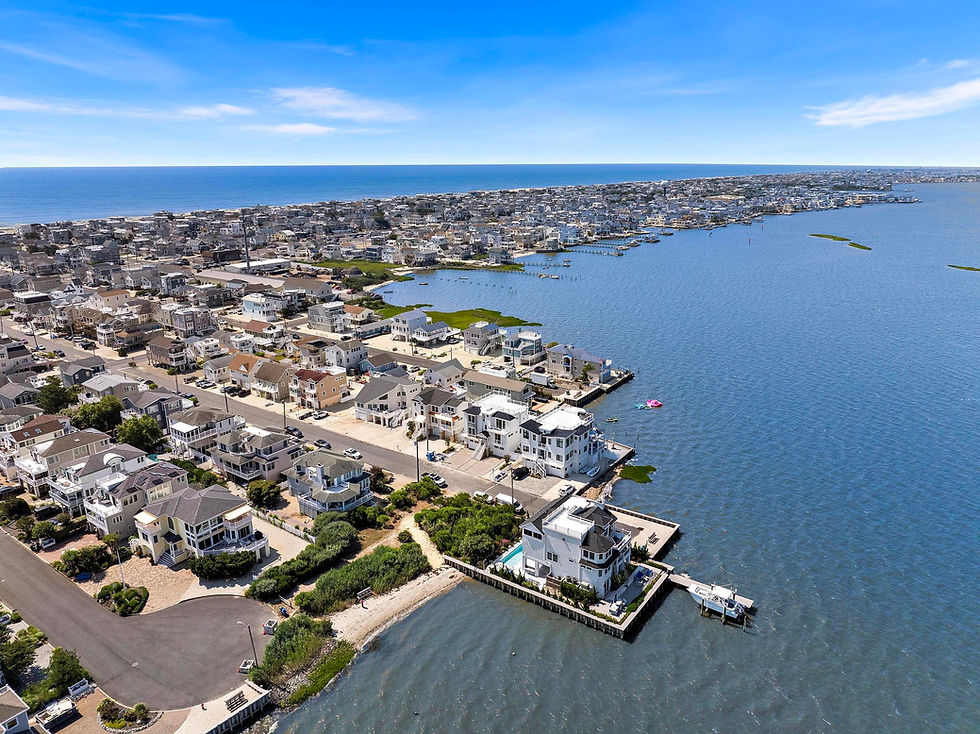
The September 2026 nor'easter was one of the most significant storms to impact Long Beach Island in years. Flooding affected roads, homes, businesses, garages, and lower-level areas across portions of LBI, while strong winds and substantial beach erosion added to the storm's impact.
For buyers and sellers in the Long Beach Island real estate market, one natural question after an event like this is: What happens to LBI real estate transactions after a major storm?
I experienced this same question after Hurricane Sandy in 2012. At that time, many people wondered whether buyers would stop purchasing homes on Long Beach Island or whether property values would suffer for an extended period. Instead, the market adapted. Buyers continued to purchase LBI real estate, damaged properties were renovated or rebuilt, and the housing stock changed substantially in the years that followed.
The September 2026 nor'easter will create its own questions, but today's LBI real estate market is very different from the market that emerged from Hurricane Sandy.
By: Nathan Colmer | LBI Real Estate Agent | The Van Dyk Group
Cell: 609-290-4293 | Office: 800-222-0131 | ncolmer@vandykgroup.com
Will LBI Real Estate Transactions Slow After the September Nor'easter?
There could be a short-term disruption as homeowners assess damage, complete repairs, deal with insurance, and decide what to do next. Buyers may also take additional time to investigate properties, especially homes located in areas where significant flooding occurred.
However, a temporary disruption should not be mistaken for a fundamental change in the LBI real estate market.
Real estate transactions take time. A home closing today was most likely placed under contract before the storm occurred. Therefore, it will take time before new listings, new contracts, and eventually closed sales provide enough information to evaluate how buyers and sellers actually responded to the nor'easter.
Rather than predicting the impact immediately, I believe the best approach is to watch the market data as it develops.
What Types of LBI Homes May Buyers Focus on After the Storm?
The September nor'easter will likely make buyers pay closer attention to how individual properties performed during the storm. This matters because flooding did not affect every LBI house the same way.
A newer or elevated home may have experienced water in a ground-level garage while its primary living areas remained completely dry. Another property may have experienced more extensive damage. Some homes may have taken on little or no water
.
This creates an important distinction for buyers. Rather than simply asking, "Did this neighborhood flood?", buyers should ask what happened to the individual property.
Elevation, construction, location of living space, garage configuration, location of electrical and mechanical equipment, and the extent of any storm damage may all become more important parts of the buying conversation.
Could Storm-Damaged LBI Homes Present Buying Opportunities?
Potentially. Some homeowners may decide that they do not want to undertake repairs after the September 2026 nor'easter. Other owners may have already been thinking about selling, and the storm could accelerate that decision.
This could create opportunities for buyers interested in renovation projects or older homes with redevelopment potential. However, buyers should be careful not to assume that every storm-damaged home is automatically a bargain.
A property offered at a lower price because it requires substantial repairs may actually represent a larger total investment than a more expensive move-in-ready home. Buyers need to consider the acquisition price, repairs, carrying expenses, financing, insurance considerations, and potential value after renovation.
The important number isn't simply the purchase price. It is the total investment compared with the value of the finished property.
How Is the 2026 LBI Market Different From the Market After Hurricane Sandy?
One of the biggest differences is the housing stock itself.
Since Hurricane Sandy, many Long Beach Island homes have been raised, renovated, rebuilt, or replaced with new construction. Buyers and homeowners also have a much greater awareness of flood insurance, elevation, flood zones, garages, and the realities of owning property on a barrier island.
This helps explain why it is difficult to apply the post-Sandy experience directly to the September 2026 nor'easter.
The individual property matters more than a broad label such as "flooded." A home where several inches of water entered an unfinished garage is fundamentally different from one where floodwater entered finished living areas.
That distinction will likely become increasingly important in LBI real estate transactions following the storm.
What Should LBI Buyers Do Differently After the Nor'easter?
Buyers in the LBI real estate market should use the September storm as an opportunity to improve their due diligence rather than as a reason to panic.
When considering an LBI property, understand what happened during the storm. Ask where water reached, whether the garage was affected, whether the primary living areas remained dry, whether electrical or mechanical systems were exposed, and what repairs were performed afterward.
Buyers in the Long Beach Island real estate market should also understand the property's construction, elevation, flood information, insurance considerations, and available repair documentation.
Two houses located on the same LBI street can behave very differently during the same storm. Property-specific information is far more useful than assumptions about an entire neighborhood.
What Should LBI Sellers Do After the September 2026 Nor'easter?
Sellers in the LBI real estate market need to be prepared for buyers to ask more questions about flooding, especially while memories of the storm are fresh.
If your property experienced water or storm damage, document what happened and what was done afterward. Keep photographs, videos, contractor invoices, remediation records, repair receipts, electrical documentation, applicable permits, and other relevant records.
From a real estate perspective, good documentation can help explain the property's history. There is a meaningful difference between telling a buyer that "the garage flooded" and being able to demonstrate exactly how high the water reached, what was affected, and how the property was repaired.
Sellers in the Long Beach Island NJ real estate market should also work with their real estate attorney and appropriate professionals concerning applicable disclosure requirements.
What Will I Be Watching in LBI Real Estate Transactions?
The true impact of the September 2026 nor'easter will become clearer as new market data develops. I will be watching new listing inventory, pending contracts, closed sales, days on market, price reductions, sale-to-list-price ratios, and differences among property types.
I will also watch whether more storm-affected homes enter the market and whether buyers begin placing greater value on newer construction, elevation, or houses that performed particularly well during the storm.
If buyer behavior or property values change measurably after the storm, LBI real estate transactions should eventually reflect it.
LBI Real Estate Transactions After the September 2026 Nor'easter
Long Beach Island has gone through major storms before, and the real estate market has repeatedly adapted. The September 2026 nor'easter will undoubtedly affect some individual transactions, especially when significant property damage occurs, but it's too simplistic to assume one storm will change the value or desirability of every home on LBI in the same way.
The more important lesson is that LBI real estate is highly specific to each property. Location, elevation, construction, condition, flood history, improvements, amenities, and price all influence how buyers evaluate a home.
If you're considering buying or selling after the September nor'easter, focus on the facts surrounding the individual property and the actual market data rather than assumptions about the entire Island.
Frequently Asked Questions About LBI Real Estate After the September 2026 Nor'easter
Will LBI home sales slow down after the September 2026 nor'easter?
There may be short-term disruption as homeowners assess damage and buyers investigate properties, but it will take time for enough new contracts and closed sales to occur to determine whether transaction activity has meaningfully changed. The most useful information will come from watching actual LBI market data over the coming weeks and months.
Will the September nor'easter lower LBI property values?
It is too early to establish a market-wide impact on Long Beach Island property values. Individual homes with substantial damage may face different circumstances, but that does not automatically translate into lower values throughout the entire LBI real estate market.
Will more LBI homeowners sell because of the flooding?
Some homeowners may decide to sell rather than repair or keep dealing with flood concerns, while others will repair their properties and remain owners. The storm may also speed up selling decisions for owners already considering putting their homes on the market.
Should I buy an LBI home that flooded during the September nor'easter?
Flooding should be investigated, but it does not automatically make a property a bad purchase. Buyers should understand where water entered, what was damaged, what repairs were completed, whether living areas were affected, and how the property's price compares with its condition and comparable LBI sales.
Is garage flooding different from living-space flooding?
Yes. Many elevated LBI homes have garages underneath their principal living areas. Water entering an unfinished garage can be substantially different from floodwater entering finished bedrooms, kitchens, living rooms, or other primary living areas. Buyers should determine exactly what happened to the individual property.
Could there be good buying opportunities after the storm?
There may be individual opportunities if sellers decide they would rather sell than renovate or repair. However, buyers should calculate the complete investment. A lower purchase price isn't necessarily a bargain when you add substantial renovation expenses afterward.
What should sellers do if their LBI property flooded?
Sellers should address any damage properly and keep detailed records of the event and subsequent work. Photographs, videos, contractor invoices, repair records, remediation documentation, applicable permits, and other records may help explain what occurred when future buyers ask questions about the September 2026 storm.
What should buyers ask when looking at LBI homes after the storm?
Buyers should ask how the individual property performed during the nor'easter, whether water entered the garage or living areas, what components were affected, what repairs were completed, and what documentation exists. They should also review elevation, construction, flood information, insurance considerations, and the home's overall condition.
Buying or selling a home on Long Beach Island is about more than simply finding a property or putting a sign in the yard. It requires an understanding of the local market, individual towns, property types, rental demand, and the factors that influence value. I'm Nathan Colmer, and I've spent more than 20 years helping clients buy and sell homes on LBI.
My focus has always included second homes and investment properties, and I personally invest in the LBI real estate market as well. That firsthand experience allows me to understand the market from both a real estate professional's and an owner's perspective. Whether you're looking to buy, sell, or invest, I can help you evaluate your options and develop a strategy that fits your goals.
By: Nathan Colmer | LBI Real Estate Agent | The Van Dyk Group
Cell: 609-290-4293 | Office: 800-222-0131 | ncolmer@vandykgroup.com


